Why A&R Is Entering a New Era of Pattern Recognition
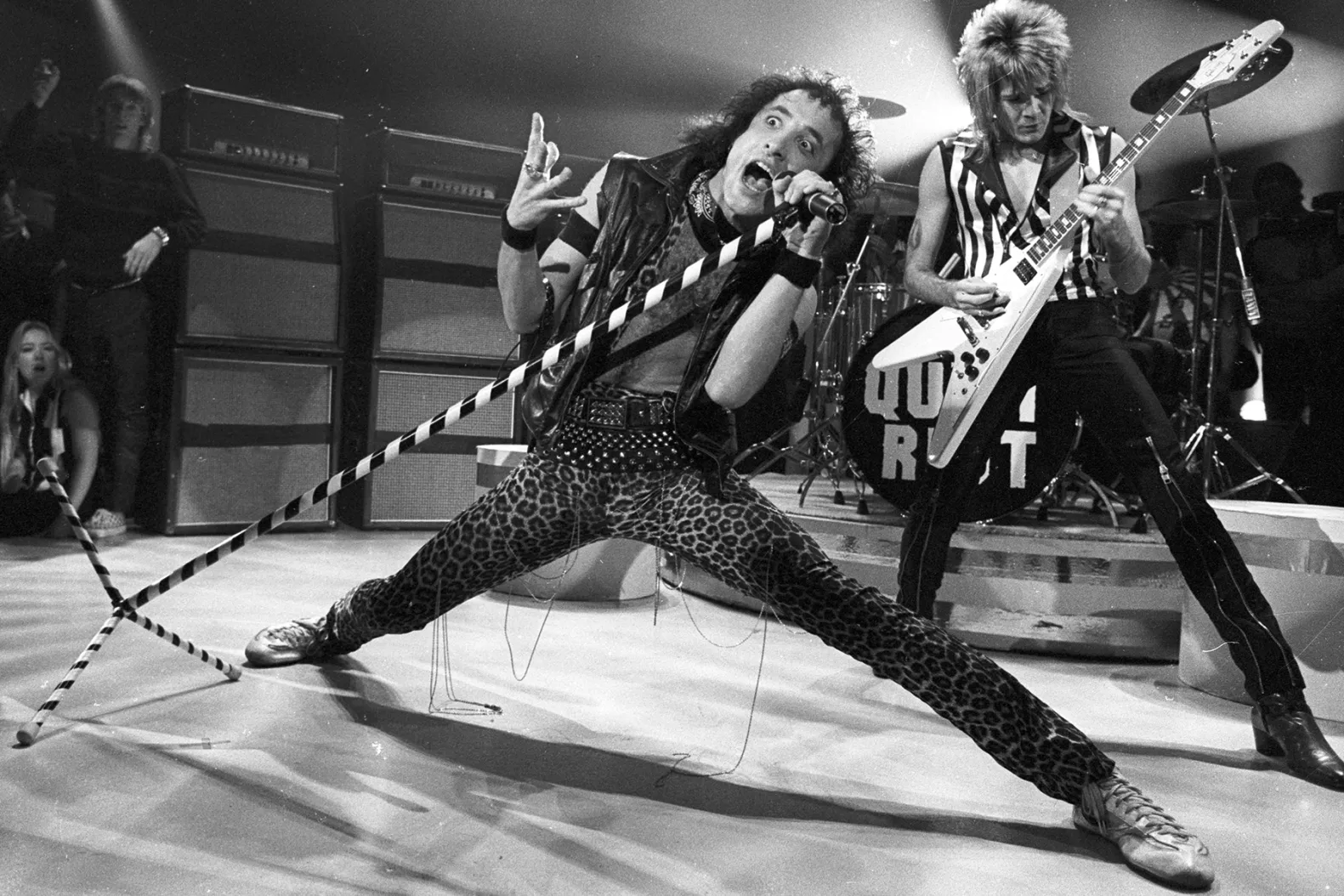
Music does not move randomly. Styles rise, fade, and return in cycles that repeat across decades. What often feels like disruption is usually recurrence recognized too late.
A&R has always operated with this awareness. Experienced teams know that sounds do not disappear. They lose prominence, then reemerge when cultural conditions shift. Guitar driven music cycles in and out of favor. Pop oscillates between minimalism and maximalism. Underground aesthetics resurface with new language but familiar structure. These movements were never invisible. They were simply difficult to observe while they were forming.
That limitation shaped how artist development worked for years. Cycles were identified after commercial success made them undeniable. By then, decisions were reactive rather than intentional. Timing was inferred, not measured.
What has changed is not taste, but visibility.
Cycles Shape Demand Before Success Appears
Listener demand forms long before it shows up in charts, radio rotation, or headline metrics. Fans begin moving toward a sound through repeated listening, artist adjacency, and shared aesthetics. These shifts happen gradually and collectively.
Historically, A&R teams inferred this movement through indirect signals. Touring lineups hinted at it. Regional scenes suggested it. Press narratives confirmed it late. These inputs were useful, but they lagged behind listener behavior.
As a result, development decisions often followed validation instead of momentum. Artists were signed once a cycle had already matured. The industry did not misunderstand culture. It lacked early clarity into how demand was forming.
Cycles existed regardless. The challenge was seeing them soon enough to matter.
Predictability in Music Comes From Structure
Predictability in music does not mean formula. It means structure.
Listeners consistently return to specific emotional tones, production textures, and rhythmic frameworks over time. These preferences recur across generations, even as surface details evolve. What feels new is often a reinterpretation rather than a departure.
Understanding this structure allows A&R teams to distinguish between novelty and sustainability. A song may attract attention because it feels different. An artist sustains attention because they align with a recurring listener preference.
This distinction is fundamental to artist development. One produces moments. The other produces longevity.
Modern A&R strategy depends on identifying which signals reflect repeatable behavior rather than short term reaction.
What Scale Changes About Pattern Recognition
Data driven A&R changes how patterns are observed, not what they mean.
When listener behavior is analyzed across artists and over time, cycles become measurable instead of anecdotal. Audience overlap shows how sounds travel between communities. Listening consistency reveals whether engagement deepens or dissipates. Stylistic recurrence becomes visible through repeated association rather than isolated success.
This reframes evaluation. The question shifts from whether an artist is gaining attention to whether an audience is forming and returning.
Platforms like Rocketship exist within this shift as tools for observation rather than direction. By mapping artist relationships, audience overlap, and listening behavior at scale, they make stylistic movement easier to study without prescribing outcomes.
In that context, data becomes descriptive rather than directive. It does not replace judgment. It provides clearer reference points for how listeners are already behaving across artists, styles, and eras.
Moving Earlier in the Development Curve
Most risk in artist development comes from timing rather than talent.
An artist introduced too early may struggle to find context. An artist introduced too late may feel redundant. Understanding where a sound sits within a broader cycle helps teams evaluate that risk more precisely.
When cycles are identifiable earlier, development decisions change. Artists can be supported because they align with an emerging demand rather than because they resemble a recent success. Expectations become more realistic. Patience becomes intentional rather than reactive.
This also affects how growth is interpreted. Slow, consistent engagement early in a cycle can be more meaningful than rapid spikes later. Without cyclical context, those distinctions are easy to miss.
Data driven A&R does not eliminate uncertainty. It reallocates it more intelligently.
From Reaction to Interpretation
The industry is not becoming mechanical. It is becoming interpretable.
Culture will always evolve organically. Taste will always matter. Breakthroughs will still surprise. But when cyclical behavior is visible, decisions feel grounded instead of reactive.
Understanding cycles does not guarantee outcomes. It improves framing. It clarifies why certain artists resonate when they do and why others struggle despite quality.
Pattern Recognition as an Industry Discipline
A&R has never been about absolute prediction. It has always been about interpretation.
Styles move in cycles. Listener preferences recur. Cultural memory shapes demand long before success makes it visible. These realities have always guided strong artist development, even when they were difficult to measure.
What has changed is perspective. Patterns that once required years of hindsight can now be studied earlier and with greater clarity. This does not simplify the work. It sharpens it.
For the industry, the opportunity is not control, but understanding. Recognizing where a sound sits within a cycle changes how risk is evaluated, how patience is applied, and how development decisions are made.
Pattern recognition remains the foundation of A&R.
The difference today is not philosophy, but visibility.